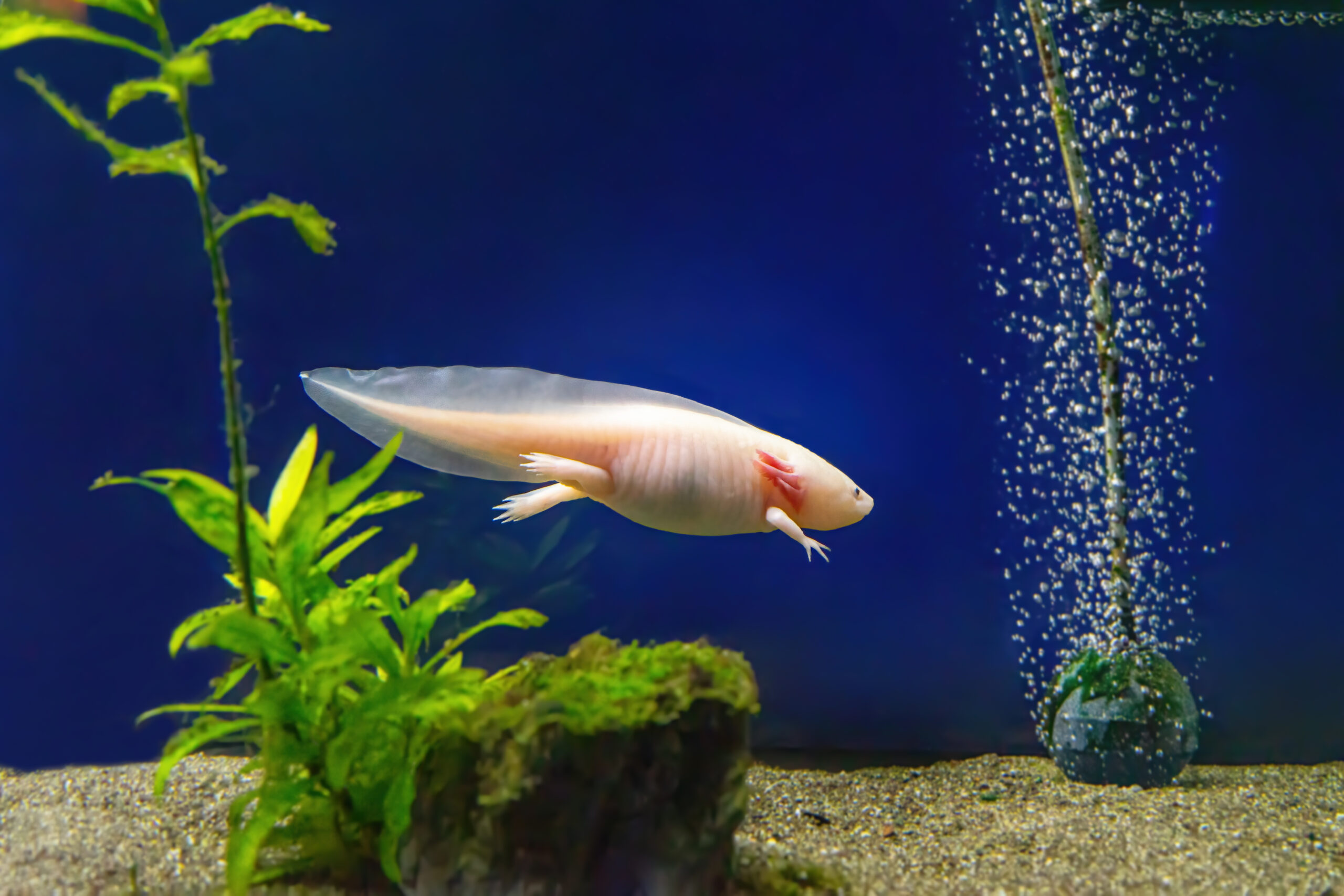
Food
Live or frozen food, which should you choose?
Lire l'article
Health
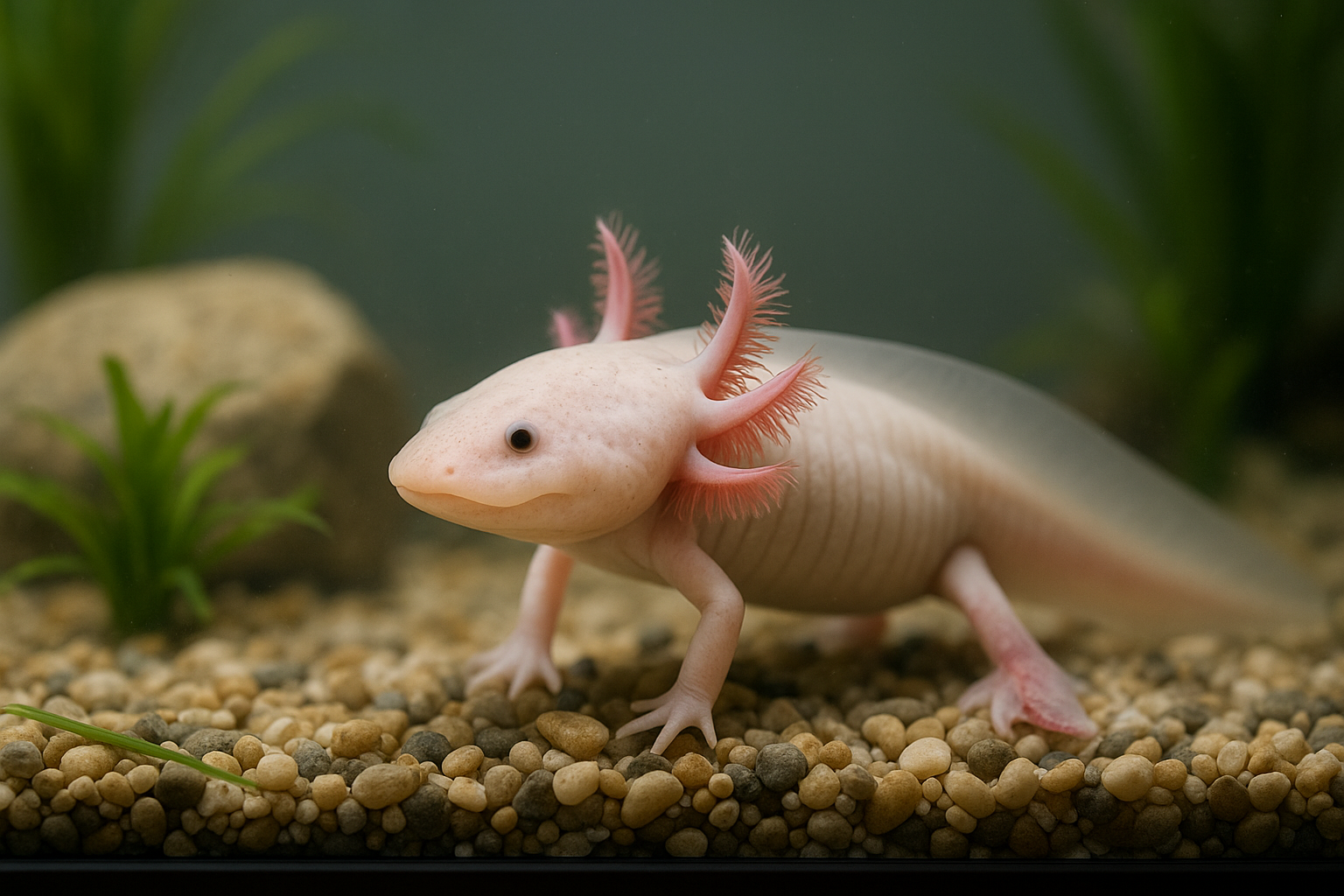
Despite their peaceful appearance, axolotls can sometimes suffer injuries: bites, scratches from unsuitable decorations, or falls during handling. In such situations, don’t panic — axolotls have impressive regenerative abilities, but only if the right steps are taken during the first hours. Here is how to react effectively in case of injury.
Before anything else, calmly observe the animal to evaluate the severity:
Lethargy, loss of appetite or unusual swimming may indicate a deeper issue.
In most cases, isolation is recommended to prevent other axolotls from worsening the wound or infection from spreading. Use a quarantine box (large container, small auxiliary tank, etc.) filled with clean water at an appropriate temperature.
Change the water daily to maintain optimal hygiene, and keep the container in a calm, dimly lit place.
For superficial injuries, no treatment is usually necessary — axolotls heal on their own. But for open wounds or early infections, a few simple treatments can help:
Never use standard disinfectants (Betadine, alcohol, etc.): they are toxic to an axolotl’s skin and gills.
Axolotls have a remarkable ability to regenerate limbs, tails, and even some internal organs. Regrowth may take several weeks or even months depending on:
During this recovery period, avoid unnecessary handling and provide a calm, stable environment.
If the wound worsens, infection develops or the axolotl shows alarming behaviour (loss of balance, persistent lethargy), consult a vet specialising in exotic pets.
A professional can prescribe suitable antibiotics or recommend more advanced treatment (antifungal, husbandry changes, etc.).
To avoid future incidents, follow a few preventive guidelines:
An axolotl injury is not a catastrophe. Thanks to their natural regenerative capacity, they can heal without lasting damage if the right actions are taken quickly. Isolation, monitoring and clean water are the keys to successful recovery. Staying calm and responding properly helps prevent complications and protects the health of this unique aquatic companion.
Food
Lire l'article
Pratique
Lire l'article
Equipement
Lire l'article
Equipement
Lire l'article
Food
Lire l'article