Food
Live or frozen food, which should you choose?
Lire l'article
Food
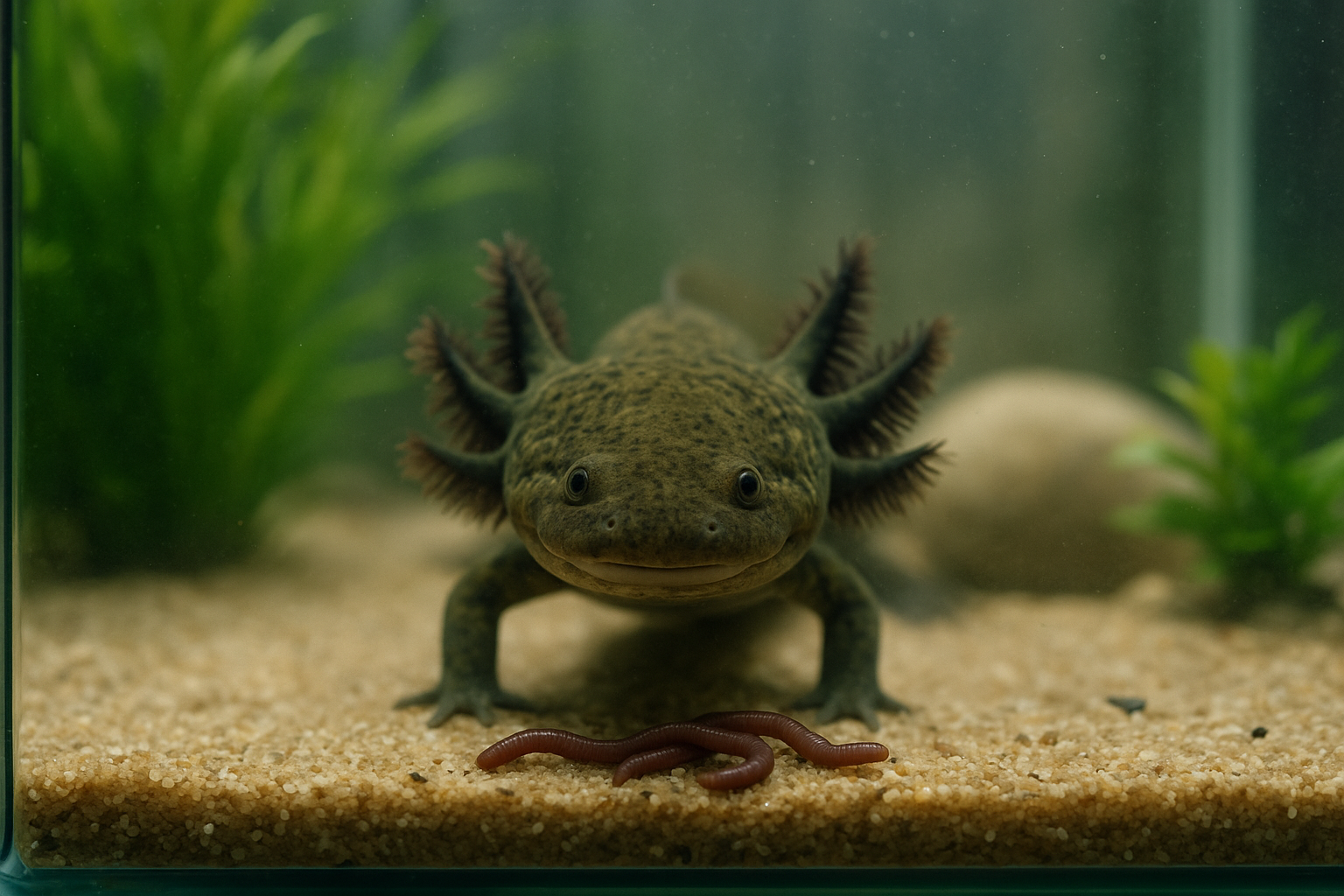
In the axolotl aquarium world, feeding is a central topic. Among the many options for live food, earthworms often come up in discussions between enthusiasts. Inexpensive, rich in protein and easy to find… they seem perfect. But can you really feed them to your axolotl safely? And if so, how should you prepare them and introduce them into its diet?
Earthworms are an excellent source of protein and nutrients for axolotls, especially adults. In their natural habitat, these amphibians eat a variety of invertebrates, and earthworms make up a significant part of that diet. Their nutritional composition makes them an interesting alternative to traditional bloodworms or commercial pellets.
They are particularly appreciated for their high animal-protein content, low fat levels and their easily adjustable size (you can cut them if needed).
Not all earthworms are equal. Here are the ones commonly used:
It is best to avoid worms collected from the garden due to pollution risks (fertilisers, pesticides, heavy metals).
Before adding them to the aquarium, earthworms must be thoroughly rinsed in lukewarm water to remove any soil, mucus or strong odours. Some keepers also let them soak for a few minutes or “clean” them by feeding them vegetables beforehand to improve digestibility.
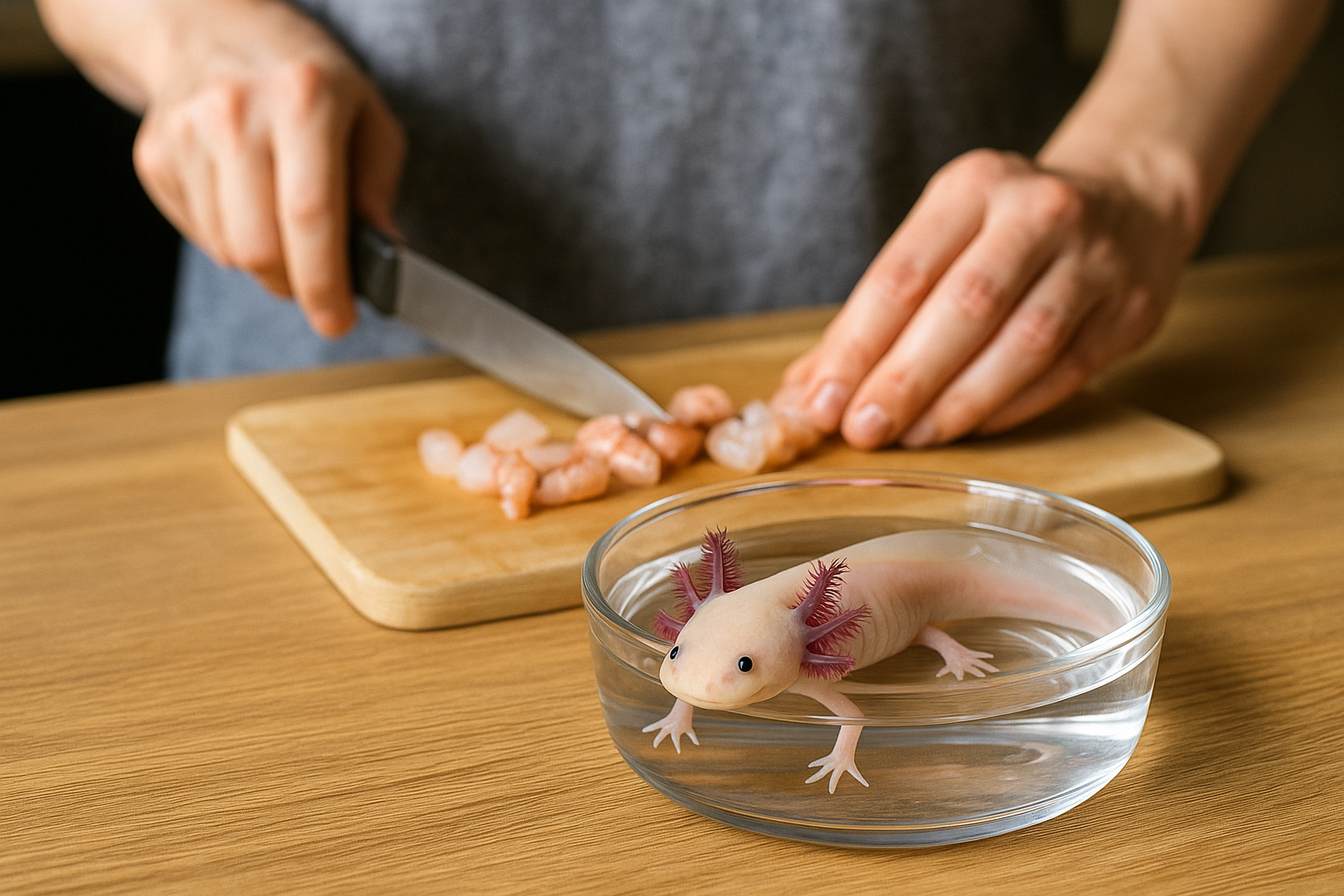
If the worm is too long, cut it into smaller pieces using disinfected scissors. An axolotl may refuse a piece that is too big or struggle to swallow it. Ideally, the size should match the width of the axolotl’s mouth.
Earthworms can be part of an axolotl’s diet, but they should be alternated with other food sources to avoid monotony and ensure a balanced intake.
Feeding earthworms 1 to 2 times per week is reasonable, in addition to bloodworms, daphnia, pellets or frozen foods.
Small juvenile axolotls may struggle to eat whole worms. However, you can introduce very thin pieces or chopped compost worms once they reach 8–10 cm. You must ensure that the pieces are well digested and do not cause rejection or bloating.
It is often easier to reserve this type of food for adults or well-established axolotls.
To ensure safe, high-quality worms, you have two options:
Yes, you can absolutely feed earthworms to an axolotl, as long as you choose the right types, prepare them properly and avoid making them the only source of food. Used wisely, they are an excellent natural and nutritious option enjoyed by most adult axolotls. Once integrated into the feeding routine, they diversify your axolotl’s diet effectively.
Food
Lire l'article
Pratique
Lire l'article
Equipement
Lire l'article
Equipement
Lire l'article
Food
Lire l'article