Food
Live or frozen food, which should you choose?
Lire l'article
Health
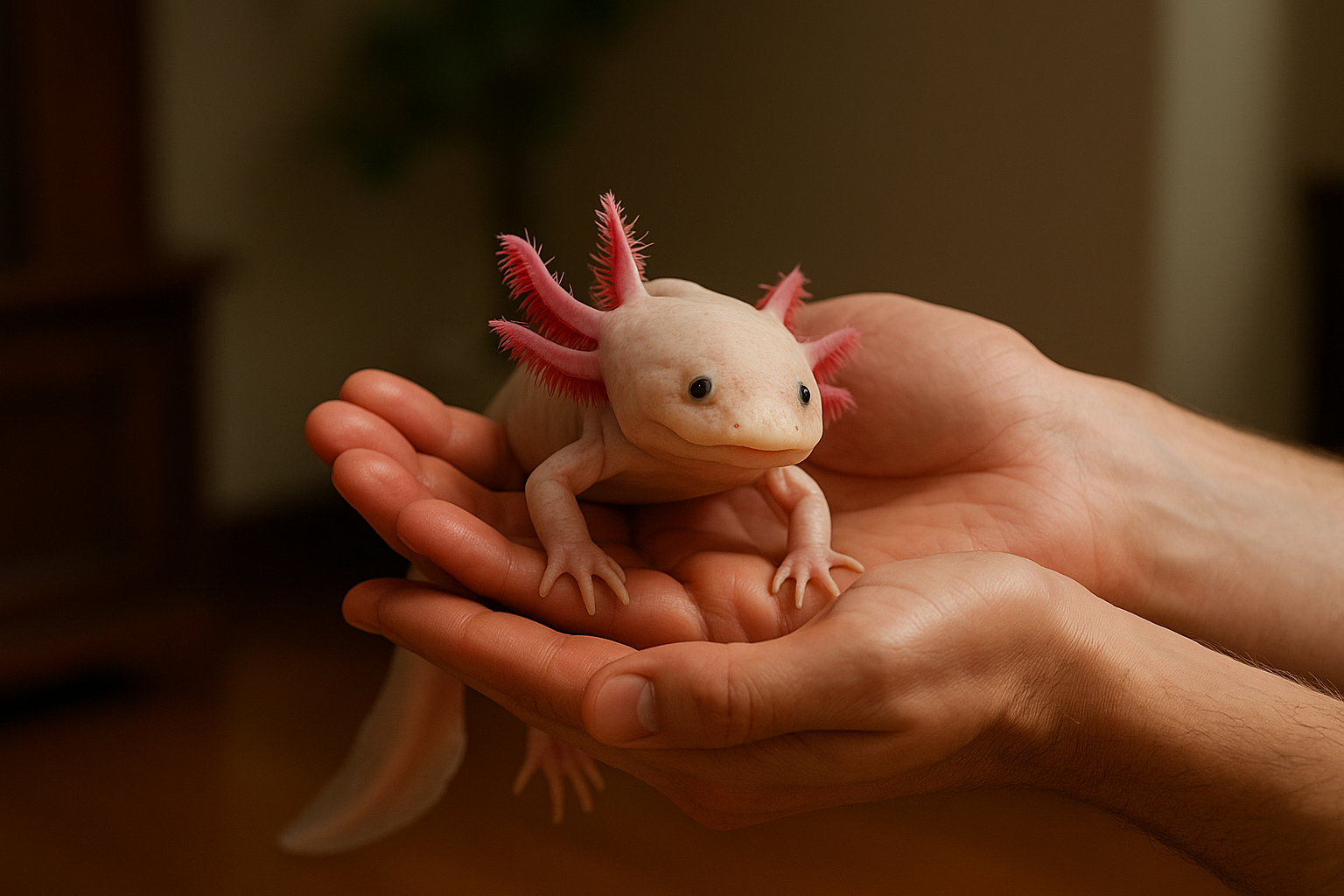
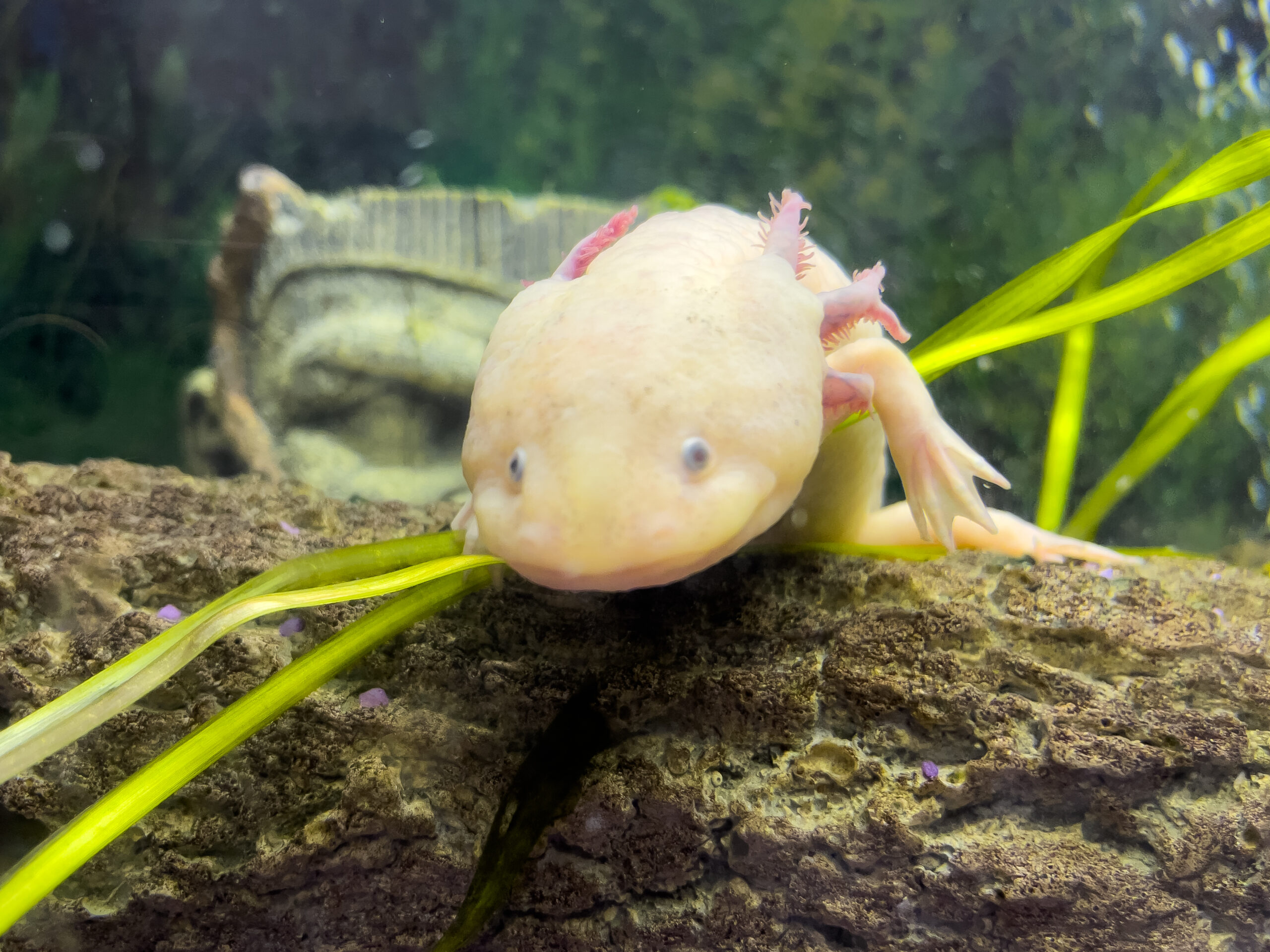
Axolotls fascinate people with their unique appearance, calm behaviour and “cute” look. Many beginner owners ask a legitimate question: can you handle an axolotl the same way you would handle a goldfish or a turtle? The answer requires nuance, because although it is not strictly forbidden, handling an axolotl should remain exceptional and follow a few very important rules.
The axolotl is a neotenic amphibian, meaning it keeps larval characteristics throughout its life, including external gills. It is fully aquatic and depends on water to breathe, move and maintain its vital functions. Unlike other amphibians such as newts or frogs, it never leaves the water on its own. This makes handling outside its environment particularly risky.
There are some situations where handling is necessary:
In all these cases, handling should last only a few seconds and be done as safely and gently as possible.
Touching or handling an axolotl is not without consequences. Here are the main dangers:
If handling is unavoidable, here are the precautions to take:
To protect your axolotl, avoid the following at all costs:
These common mistakes can cause serious harm and may even lead to the animal’s death in the medium term.
If you want to observe or interact with your axolotl more closely, choose safer methods:
These behaviours strengthen your bond with the animal without putting it at risk.
Can you handle an axolotl? Technically yes — but only in exceptional cases, with extreme care, and never for fun or curiosity.
Food
Lire l'article
Pratique
Lire l'article
Equipement
Lire l'article
Equipement
Lire l'article
Food
Lire l'article