Food
Live or frozen food, which should you choose?
Lire l'article
Food
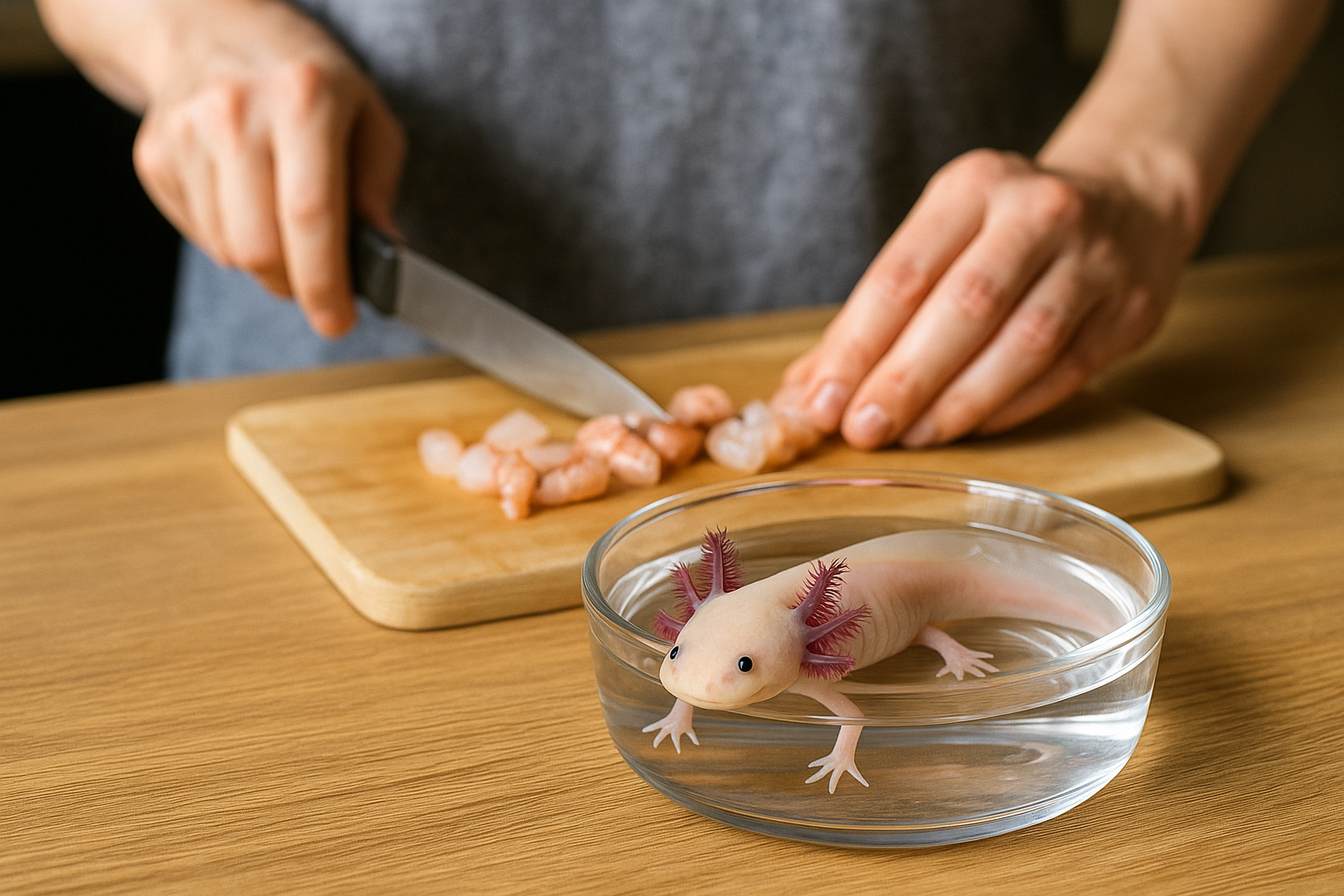
Looking to diversify your axolotl’s diet or reduce your reliance on commercial food? Preparing homemade meals for your axolotl is absolutely possible—as long as you respect its specific nutritional needs. Here’s everything you need to know before switching to homemade food.
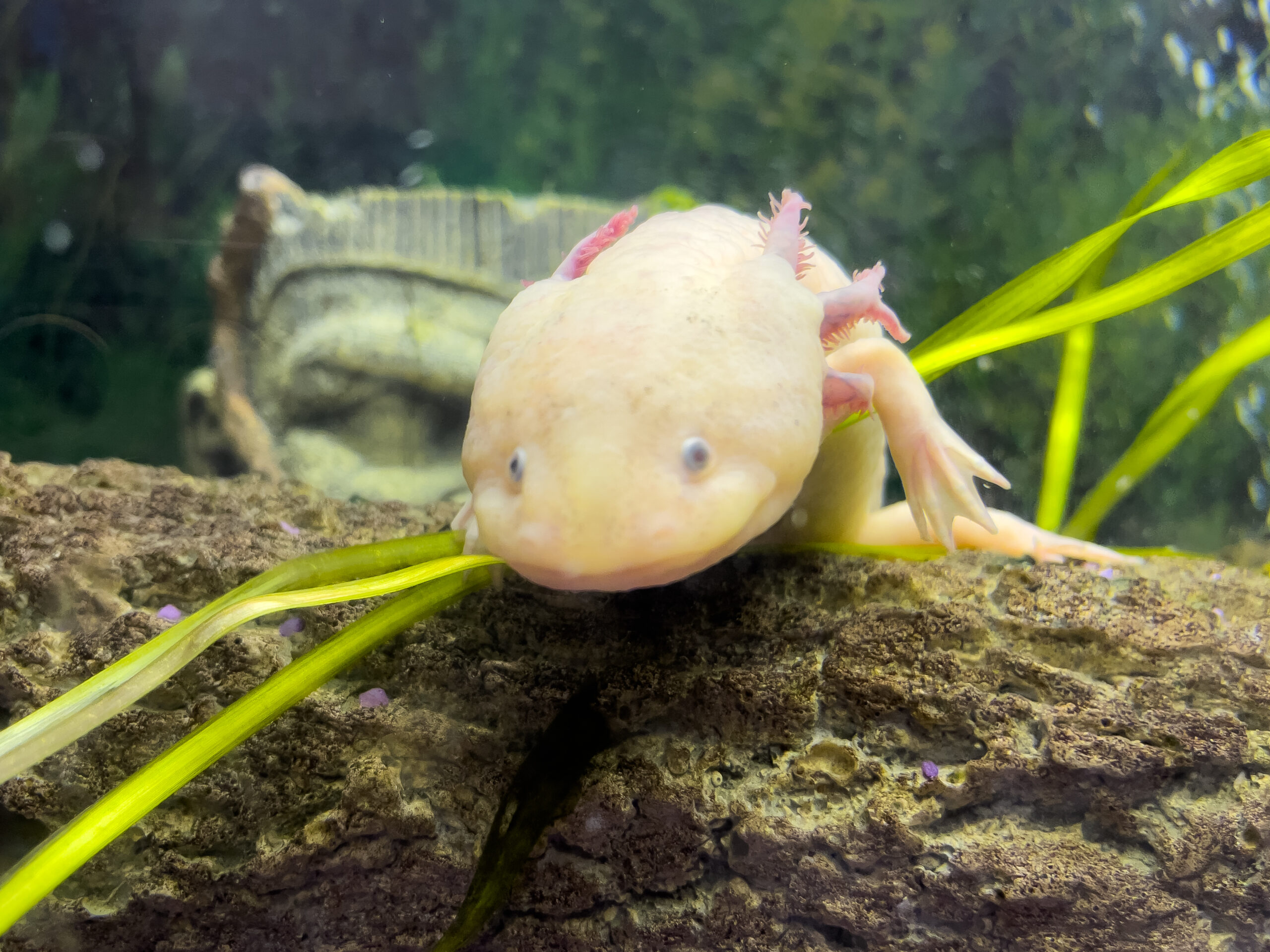
The axolotl is an opportunistic carnivore. In the wild, it feeds on small crustaceans, aquatic insects, worms, larvae and occasionally small fish. Its diet must therefore be high in protein, low in fat, and adapted to its delicate physiology.
Poorly balanced or inappropriate food can lead to digestive issues, growth problems or nutritional deficiencies. This is why understanding its needs is essential before replacing industrial pellets.
Several “homemade” foods are simple to use, cost-effective and highly appreciated by axolotls:
These natural protein sources can form the base of an effective homemade diet.
Yes, you can also prepare a homemade pâté or gel food for your axolotl. This method allows you to control ingredients and create a balanced ration. Here’s a simple and effective recipe:
Blend all ingredients (except the gelatin), then gently heat the mixture to dissolve the gelatin or agar-agar. Pour into an ice cube tray and let it set in the fridge. Cut off a small portion for each meal.
Certain foods may seem logical but are actually dangerous or unsuitable:
Axolotls are fragile animals—avoid any risky experimentation. Vegetables or starches have no nutritional value for them.
Specialised axolotl pellets (high-protein sinking pellets) remain practical and nutritionally balanced. Homemade food can be used alternately or as a complement. This helps vary the diet and stimulate appetite.
A good feeding plan might be:
As with any homemade food, hygiene is essential:
Remove any uneaten food after 15 minutes to avoid polluting the water.
Yes, you can prepare homemade food for your axolotl—as long as you respect its high protein requirements. Earthworms, white fish and homemade gel food are excellent alternatives to pellets. But consistency, ingredient quality and impeccable hygiene are essential. For beginners, a mix of high-quality pellets with occasional fresh or homemade foods is often the best approach.
Food
Lire l'article
Pratique
Lire l'article
Equipement
Lire l'article
Equipement
Lire l'article
Food
Lire l'article