Food
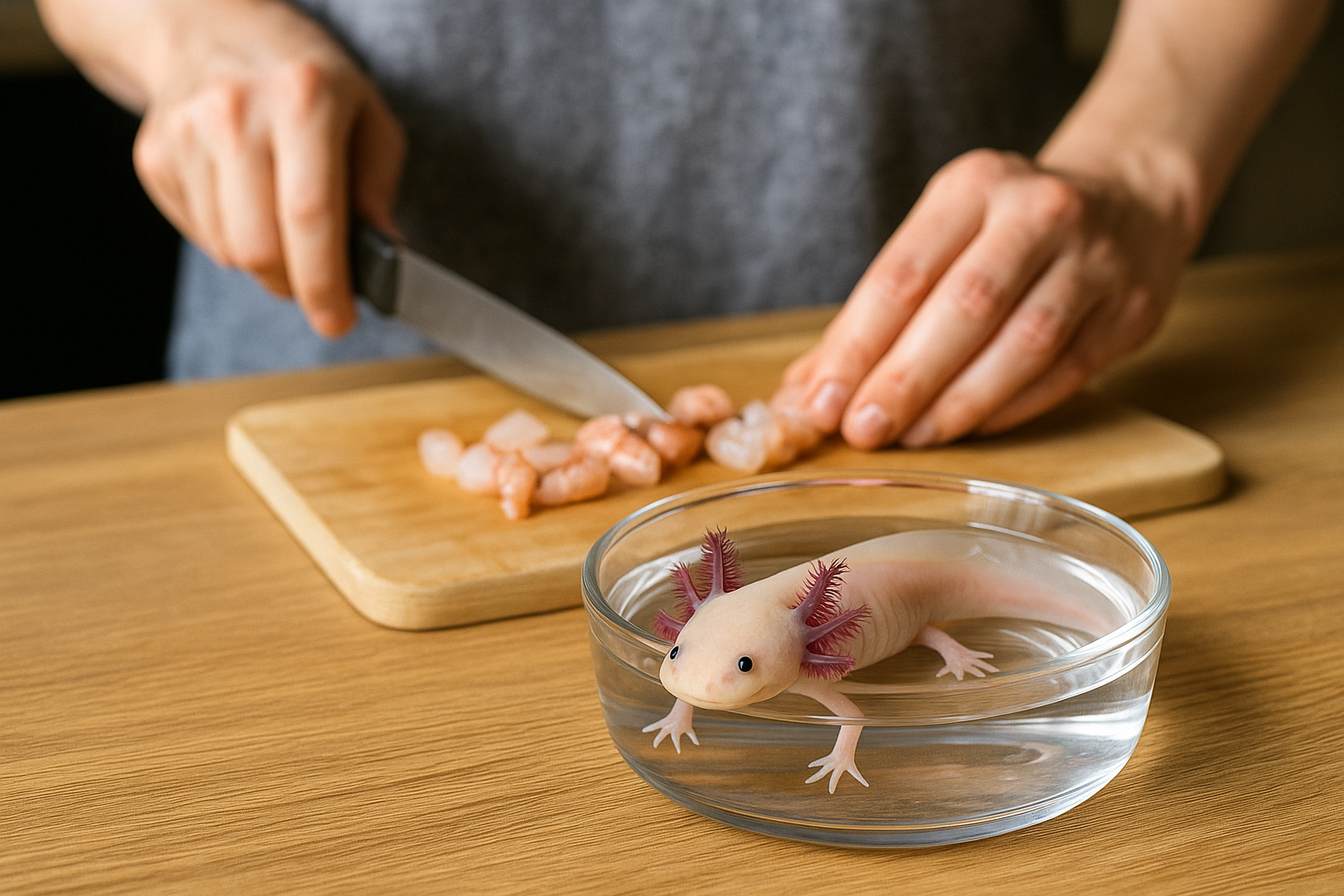
Live or frozen food, which should you choose?
Lire l'article
Equipement
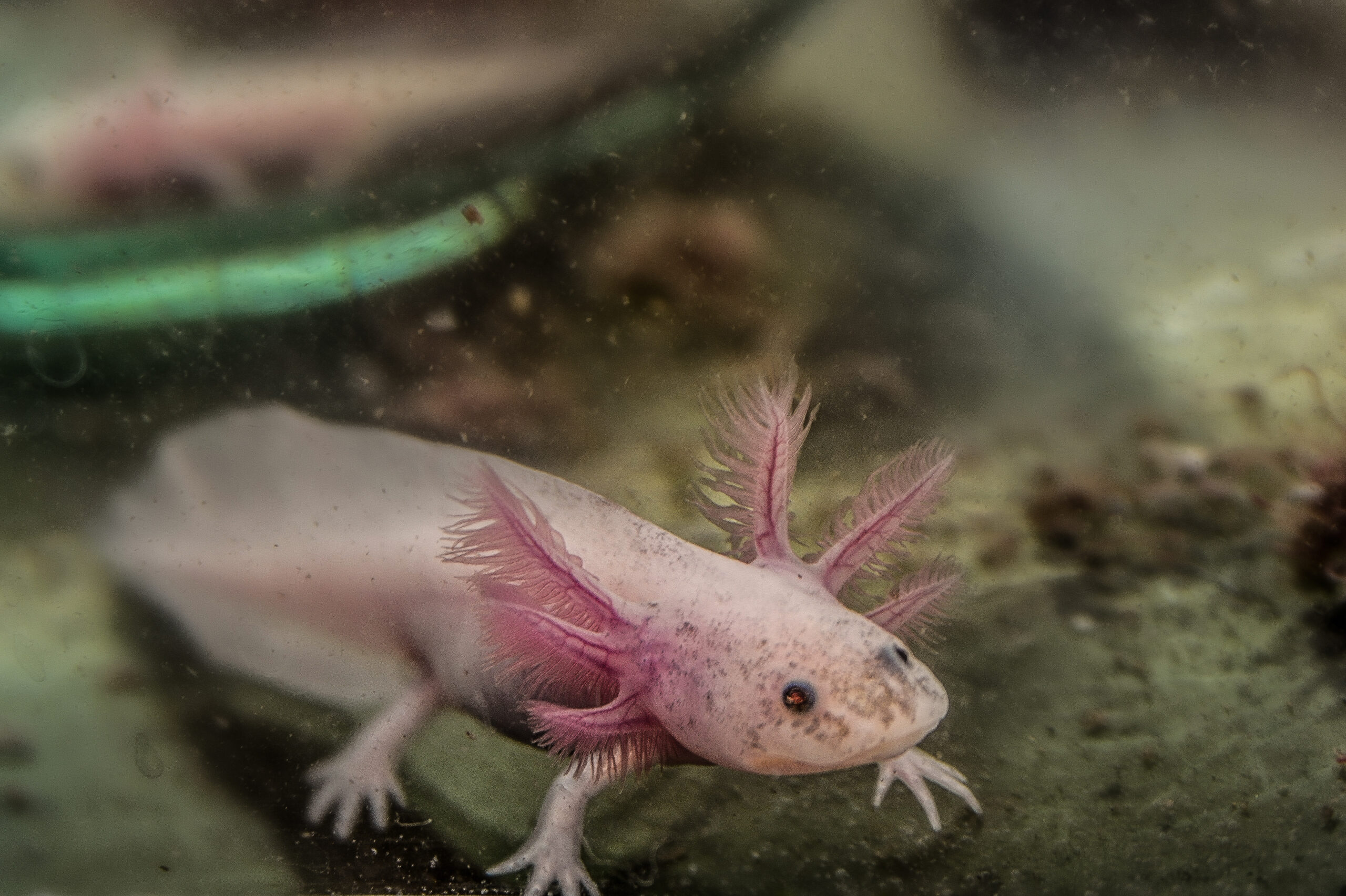
Welcoming an axolotl into your home isn’t just about filling a tank with water and hoping for the best. To offer a comfortable, safe and suitable habitat, certain accessories are simply indispensable. Here is a list of the essential items you need to properly equip your axolotl’s aquarium, with explanations for each.
This isn’t an “accessory” in itself, but it’s impossible not to mention it. An axolotl tank should hold at least 80 to 100 litres per individual, with a horizontal shape rather than a vertical one. Axolotls need floor space to move around, not height to swim like tropical fish.
A lid is also recommended: axolotls can occasionally try to jump, even if it is rare.
A filtration system is essential to keep the water clean and stable. It helps:
But beware: axolotls dislike strong currents. Choose an adjustable filter or direct the outlet toward a wall to soften the flow. An external filter is ideal, but an internal filter with moderate flow can also work.
Temperature is a vital parameter for axolotls. They thrive between 16 °C and 18 °C and begin to suffer above 20 °C. A thermometer will let you monitor the water temperature continuously, especially in summer.
Avoid adhesive thermometers placed outside the tank: prefer a probe or submersible model for reliable readings.
In hot regions or during summer, maintaining the right temperature can be challenging. A small aquarium cooling fan or a chiller can be a good solution. Alternatively, you can:
Axolotls like to hide during the day. Provide at least one dark hiding place per individual, such as:
These hiding spots help reduce stress, offer a sense of security and structure the environment. Don’t hesitate to vary shapes and add natural or artificial plants for a more natural-looking setup.
A siphon is essential to remove waste from the bottom of the tank without emptying it completely. It allows you to perform partial water changes each week (20 to 30 %) while maintaining biological balance.
A small manual model is more than enough for a standard tank.
A fine, soft net can be useful in emergencies or for temporarily moving the axolotl (deep cleaning, injury, quarantine…). It must be wide enough so the animal isn’t squeezed or injured.
Use it as little as possible: the stress caused by capture can be significant.
Tap water contains chlorine and sometimes heavy metals. Before adding new water to the tank, you must treat it with a water conditioner. This neutralises toxic substances and makes the water safer.
Some products include beneficial elements like aloe vera or enzymes, but a simple basic conditioner is enough.
Because the nitrogen cycle is fundamental, it is essential to test your water regularly. Choose liquid test kits (API, JBL…), far more reliable than strips. The parameters to monitor:
In case of injury, illness or to temporarily isolate an axolotl, a small quarantine box or spare tank can be very useful. It should include heating (if necessary), aeration and enough space for the axolotl to rest without stress.
Properly equipping an axolotl tank isn’t excessively expensive, but it does require choosing accessories tailored to its specific needs. By investing in a minimum of quality materials, you ensure a stable, healthy and secure environment for your axolotl. A well-designed setup is often the key to a peaceful coexistence and a long lifespan.
Food
Lire l'article
Pratique
Lire l'article
Equipement
Lire l'article
Equipement
Lire l'article
Food
Lire l'article