Food
Live or frozen food, which should you choose?
Lire l'article
Food
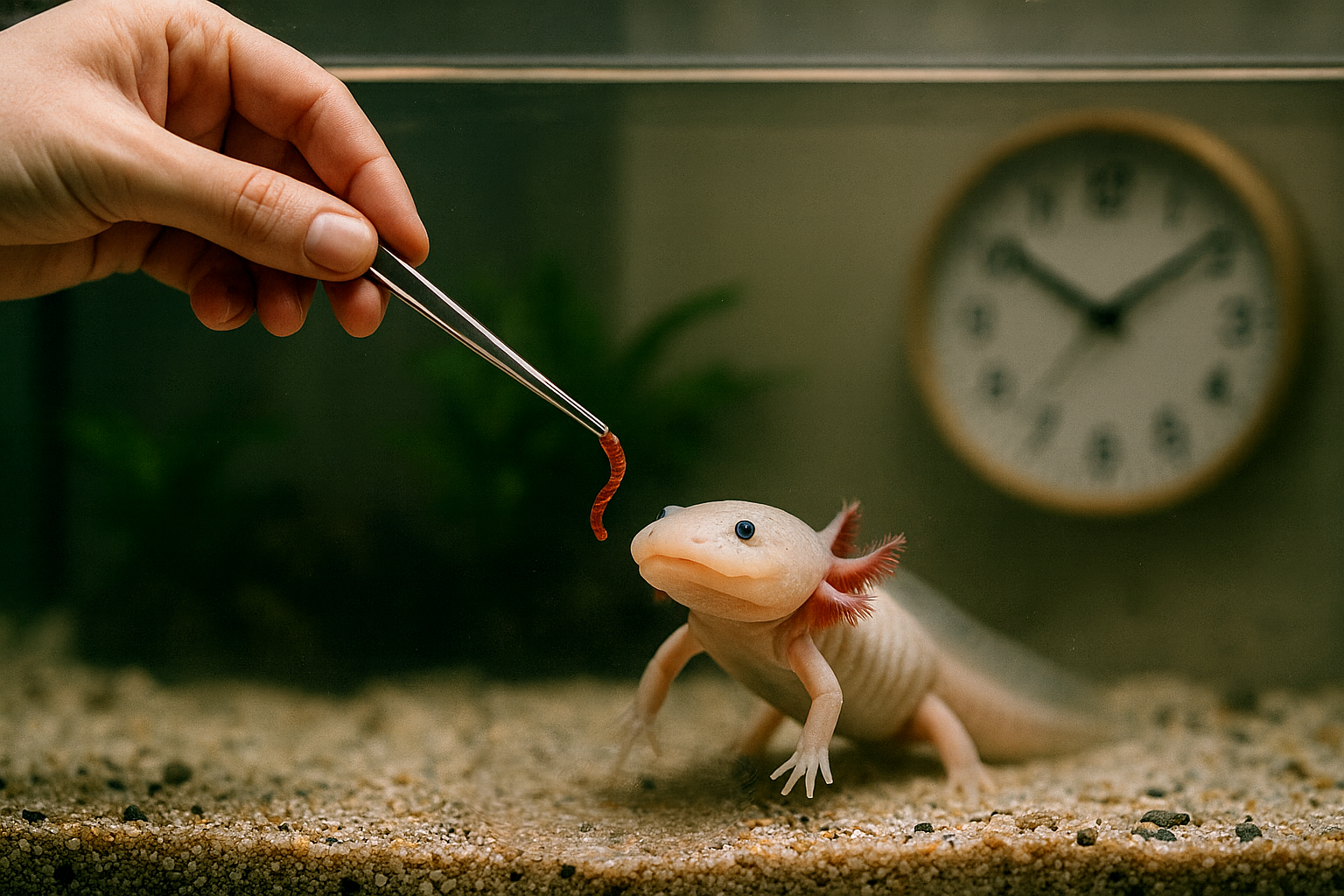
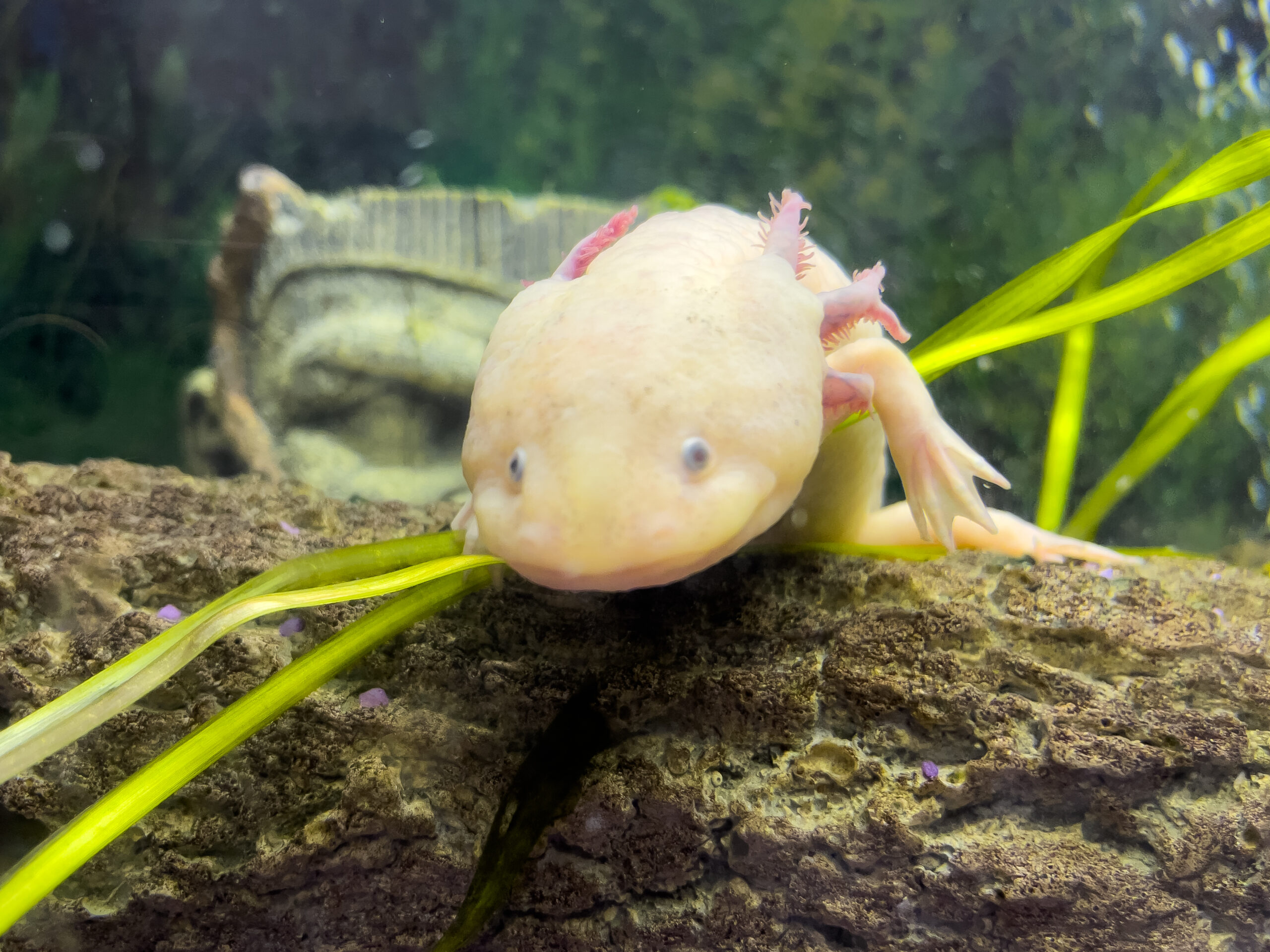
The question of feeding frequency often comes up among axolotl owners, especially beginners. Should you feed an axolotl every day? Can it fast? The answer depends on its age, size, health and even the temperature of its water. Here is a complete guide to feeding your axolotl properly, without excess or deficiency.
In axolotls, an inappropriate feeding routine can have very quick effects: weight gain, loss of appetite, stress, constipation or even illness. Because they have a slow metabolism, overfeeding is much more common than underfeeding. Understanding their needs helps prevent many health issues and ensures long-term well-being.
Frequency depends above all on your axolotl’s age. Here are the key guidelines:
A healthy adult does not need to eat daily. It can even fast once a week without any problem. In captivity, axolotls are often overfed, which puts strain on their liver and encourages obesity.
Your axolotl will often eat whatever you give it, but that doesn’t mean it’s hungry. Here are useful indicators:
An axolotl doesn’t need daily variety. Better to feed less but well than too much and poorly.
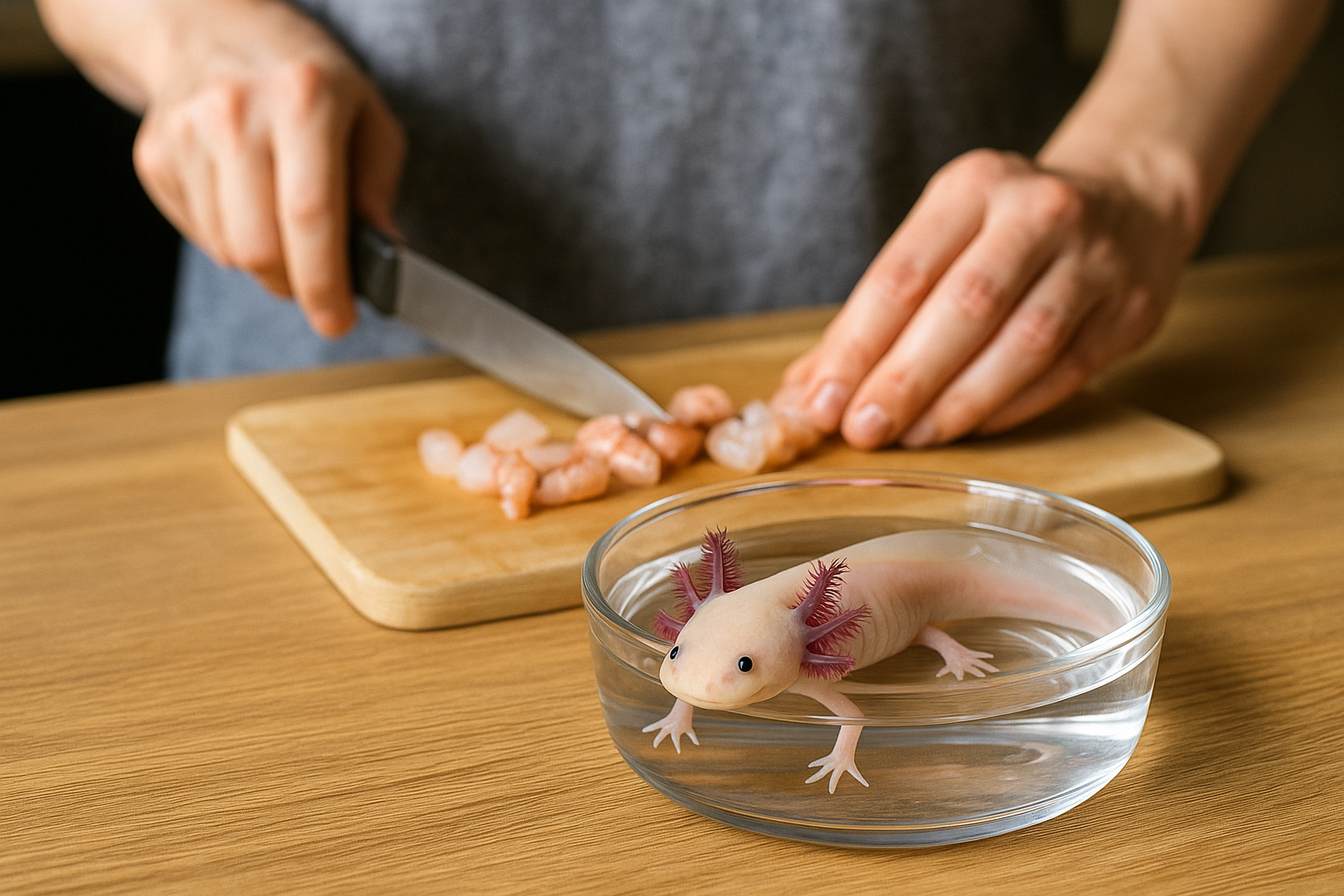
A good rule of thumb is to give a portion roughly the width of its head. For example:
Food should be eaten within a few minutes. If it remains at the bottom for more than 10–15 minutes, reduce the quantity.
An axolotl’s metabolism is influenced by water temperature:
There is no need to force-feed an axolotl if the water is colder than usual. It regulates its needs according to its environment.
Yes — fasting one day a week is even recommended for adults. It allows the digestive system to rest. Some keepers choose Sunday or Wednesday for this. It also helps reduce waste accumulation in the tank.
Fasting is also useful before a transfer, cleaning or handling to prevent regurgitation or digestive stress.
An adult axolotl does not need daily meals. Two to three meals per week are more than enough. Young axolotls, however, need more frequent feeding to support growth. By respecting the correct frequency, you reduce risks of obesity, stress and water pollution. Observe your axolotl, adjust portions and trust its rhythm — it will show you what it needs.
Food
Lire l'article
Pratique
Lire l'article
Equipement
Lire l'article
Equipement
Lire l'article
Food
Lire l'article