Food
Live or frozen food, which should you choose?
Lire l'article
Equipement
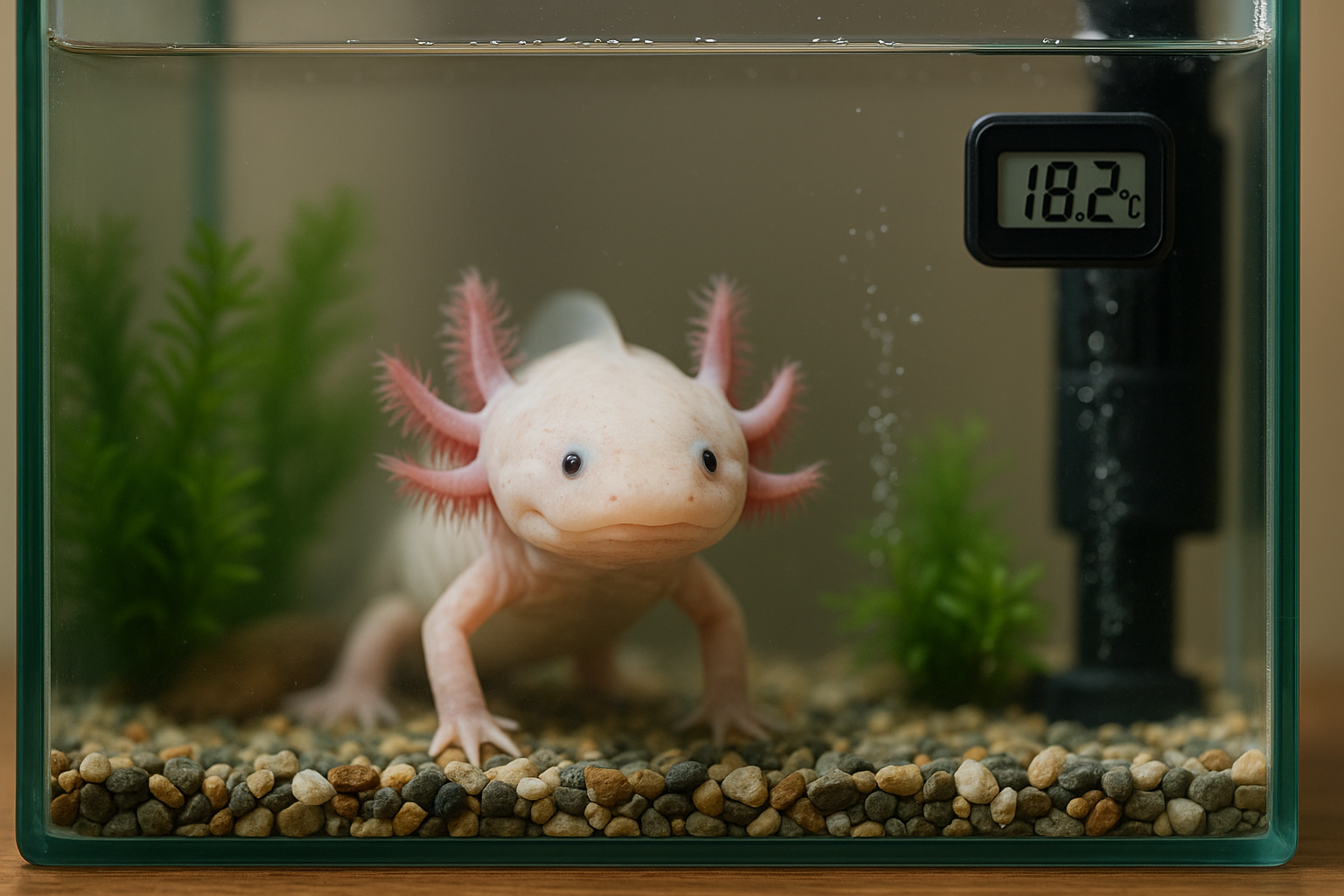
Water temperature is one of the most crucial factors for an axolotl’s health and longevity. A difference of just a few degrees can cause stress, loss of appetite or the onset of illness. Although axolotls are hardy animals, they remain very sensitive to temperature fluctuations. Here’s everything you need to know to maintain the ideal temperature in your aquarium.
Axolotls are cold-water animals. In captivity, the ideal temperature range is 15 °C to 18 °C. This corresponds to their natural habitat in Mexico’s high-altitude lakes. It supports healthy metabolism, reduces disease risks and encourages good appetite.
They can tolerate slightly lower temperatures (down to 10–12 °C) for short periods without danger. However, temperatures above 20 °C gradually become problematic.
From 20 °C onwards, the axolotl enters a stress zone. Its metabolism speeds up, which can lead to:
From 24 °C, the situation becomes critical. Prolonged exposure can cause irreversible injury or even death.
Unlike many tropical fish, axolotls tolerate cold water very well. Below 14 °C, their metabolism naturally slows. They eat less and move less, but without danger as long as the temperature does not drop below 5–6 °C for extended periods. Heating the water is generally unnecessary except in extreme or unstable conditions.
Keeping a stable temperature can be challenging, especially in summer. Here are some practical tips:
Aquarium chillers remain the most reliable solution for people living in hot climates.
Yes — absolutely. A reliable aquarium thermometer is essential. It allows real-time temperature monitoring and quick intervention if needed. Choose a digital model or a probe thermometer for better accuracy. Place it halfway up the tank where the axolotl spends most of its time.
An axolotl placed in water that is too warm may:
These signs should be taken seriously, as they indicate thermal distress. Cooling the water gradually is essential.
The ideal water temperature for an axolotl is between 15 °C and 18 °C. Within this range, the animal is active, less stressed and supported by a stronger immune system. Excessive heat is far more dangerous than cold. With proper equipment, regular monitoring and a good understanding of its needs, you can provide your axolotl with a safe and comfortable environment.
Food
Lire l'article
Pratique
Lire l'article
Equipement
Lire l'article
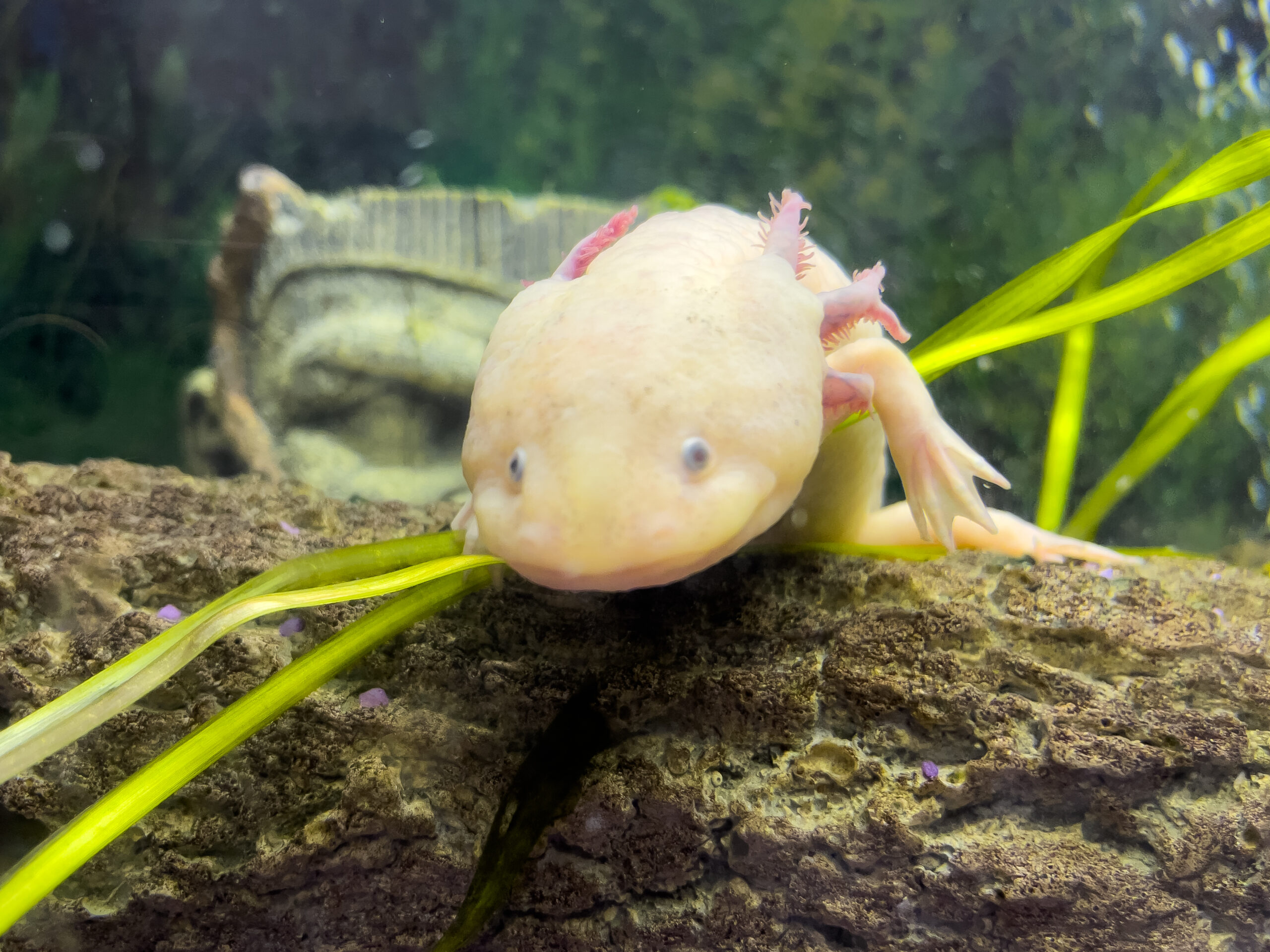
Equipement
Lire l'article
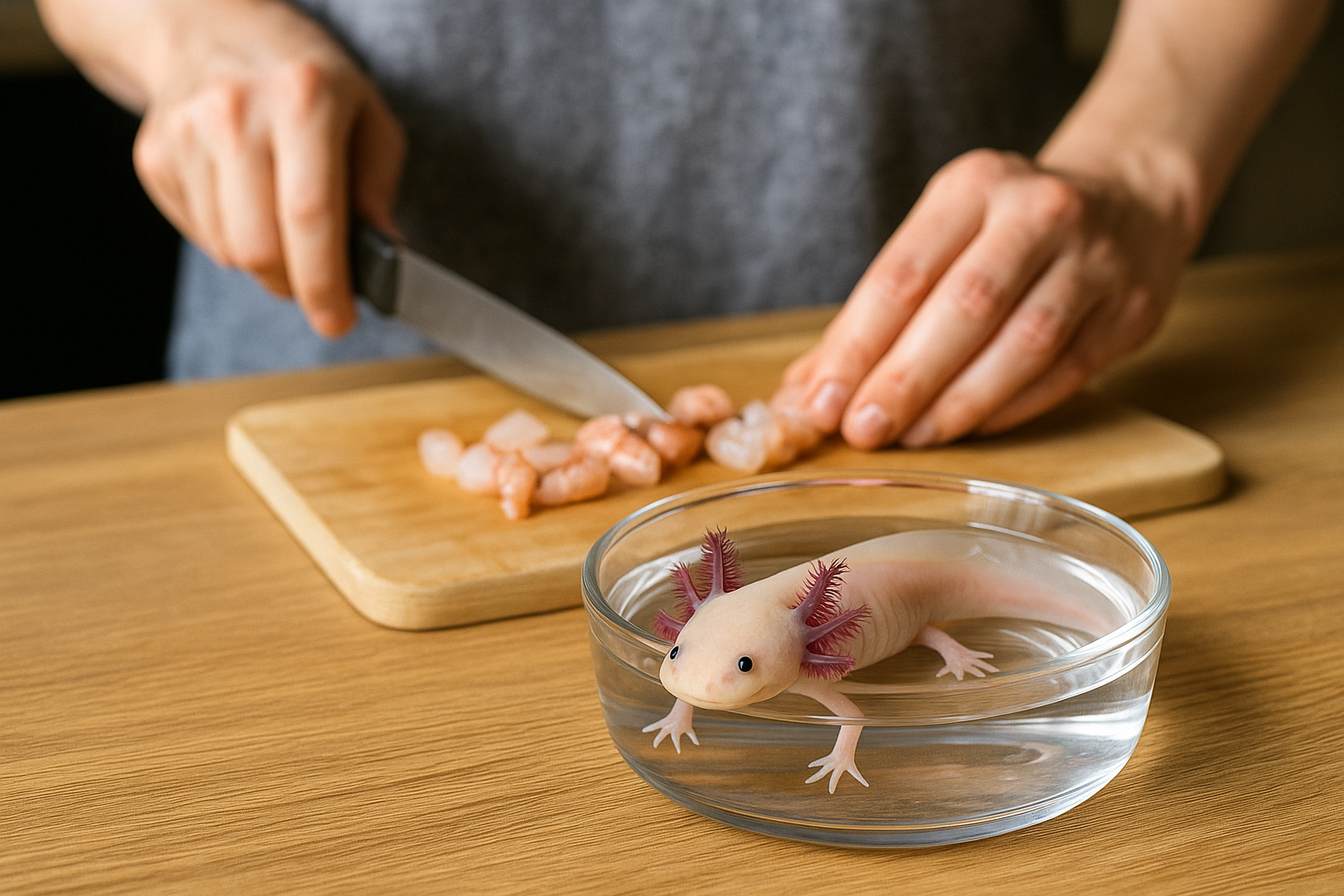
Food
Lire l'article