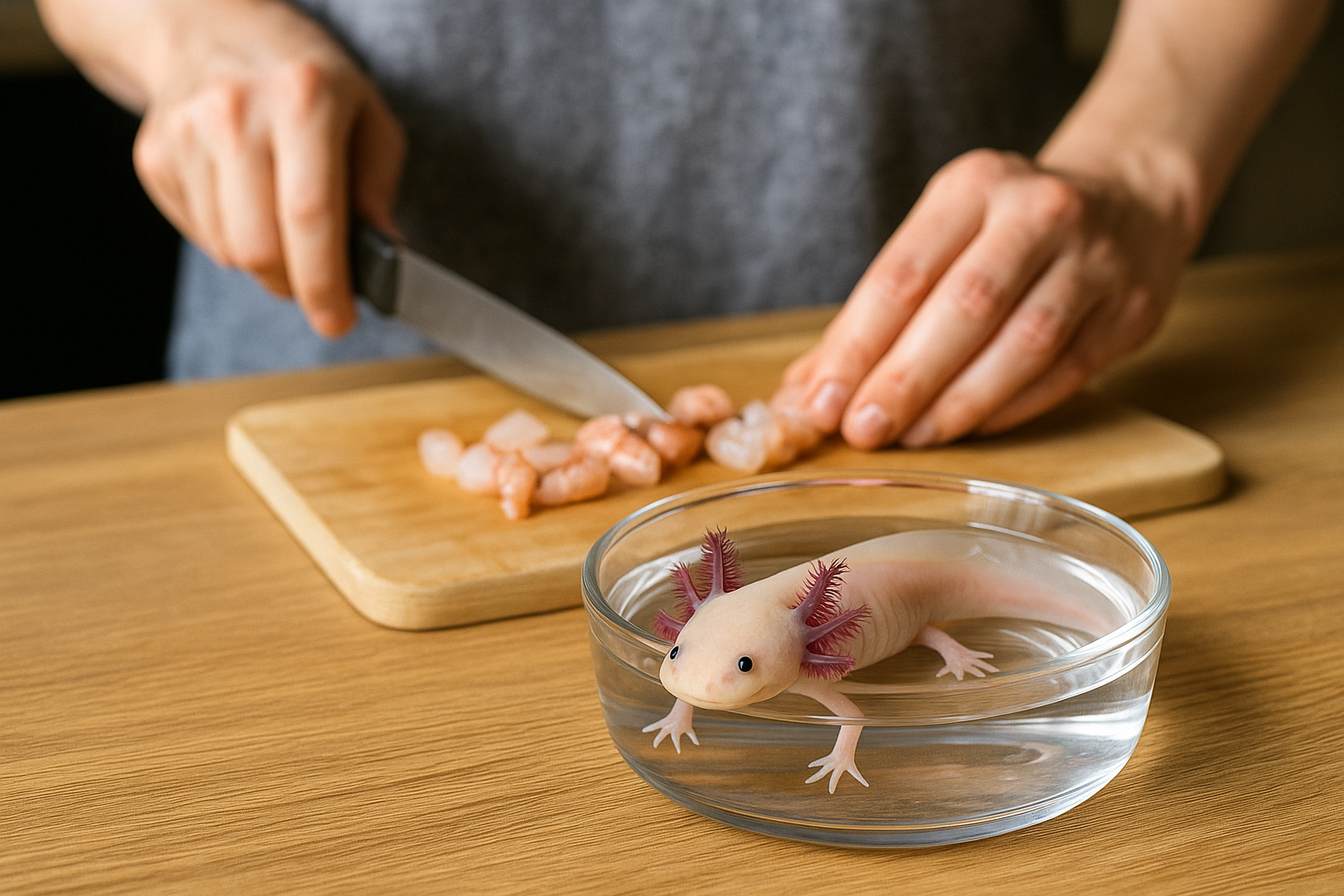
Buying an axolotl is a decision that requires careful consideration. It’s about much more than just wanting an unusual pet; you need to make sure you’re buying responsibly, from a reputable seller, and in compliance with regulations. Here’s how to buy an axolotl safely.
1. Understand French regulations
In France, owning an axolotl (Ambystoma mexicanum) is subject to specific rules:
- **White or golden albino** forms (melanistic or not) are considered “domestic.”
- Other colors or “wild” forms must be declared to the I-FAP (Identification of Protected Fauna) registry if you own them.
- Using a seller who does not comply with this legislation can lead to severe penalties (e.g., fines).
In summary: before even choosing the animal, you must check that everything is in order from an administrative and legal standpoint.
2. Choose the right type of seller
To buy safely, there are three types of sellers to consider:
- Specialized breeder: this is the best option. You can see the breeding facility, ask questions, check the condition of the animals, their origin, their parents, etc.
- Specialized pet store or exotic pet shop: acceptable, but be careful: knowledge about axolotls may be limited, and conditions may sometimes be poor.
- Private individuals/classified ads: possible, but be very careful. Check the animal’s health, origin, environment, and above all, regulatory compliance.
3. Criteria to check before purchasing
Here are the essential points to check to avoid unpleasant surprises:
- The animal’s “morphology”: size, well-formed gills, no wounds, good color.
- Origin: farm or store that complies with standards. Ask for photos or guarantees.
- The condition of the aquarium where it was previously kept: clean water, good temperature, suitable volume.
- Regulatory documentation: invoice or transfer receipt, mention of the correct category, registration if necessary.
- Transport: the animal must be transported in good conditions, without thermal stress, in a suitable container.
4. Why avoid impulse buying
Many buyers see a “cute” axolotl in a store window or online, fall in love, and buy it without being prepared. This is a mistake:
- Axolotls are not like dogs or cats: they are fragile, and stress affects their health.
- If your tank is not yet ready or cycled, putting the animal in immediately can be costly (illness, death).
- An unscrupulous seller may offer you a sick animal or one that has been illegally imported.
5. After purchase: key first steps
Once you have your axolotl at home:
- First, quarantine it for a few days to observe its behavior.
- Monitor the temperature, water, and behavior (appetite, gills, movement).
- Keep all supporting documents (invoice, transfer receipt, registration if applicable).
- Be prepared for a long-term commitment: axolotls can live for 10 to 15 years or even longer.
Conclusion
Buying an axolotl safely means, above all, ensuring its origin, complying with regulations, and choosing a reliable seller. Don’t rush into buying a “cute animal” without checking everything first. By doing the right thing, you’ll give your future companion the best chance of living well in your home.
Partager cette page