Food
Live or frozen food, which should you choose?
Lire l'article
Food
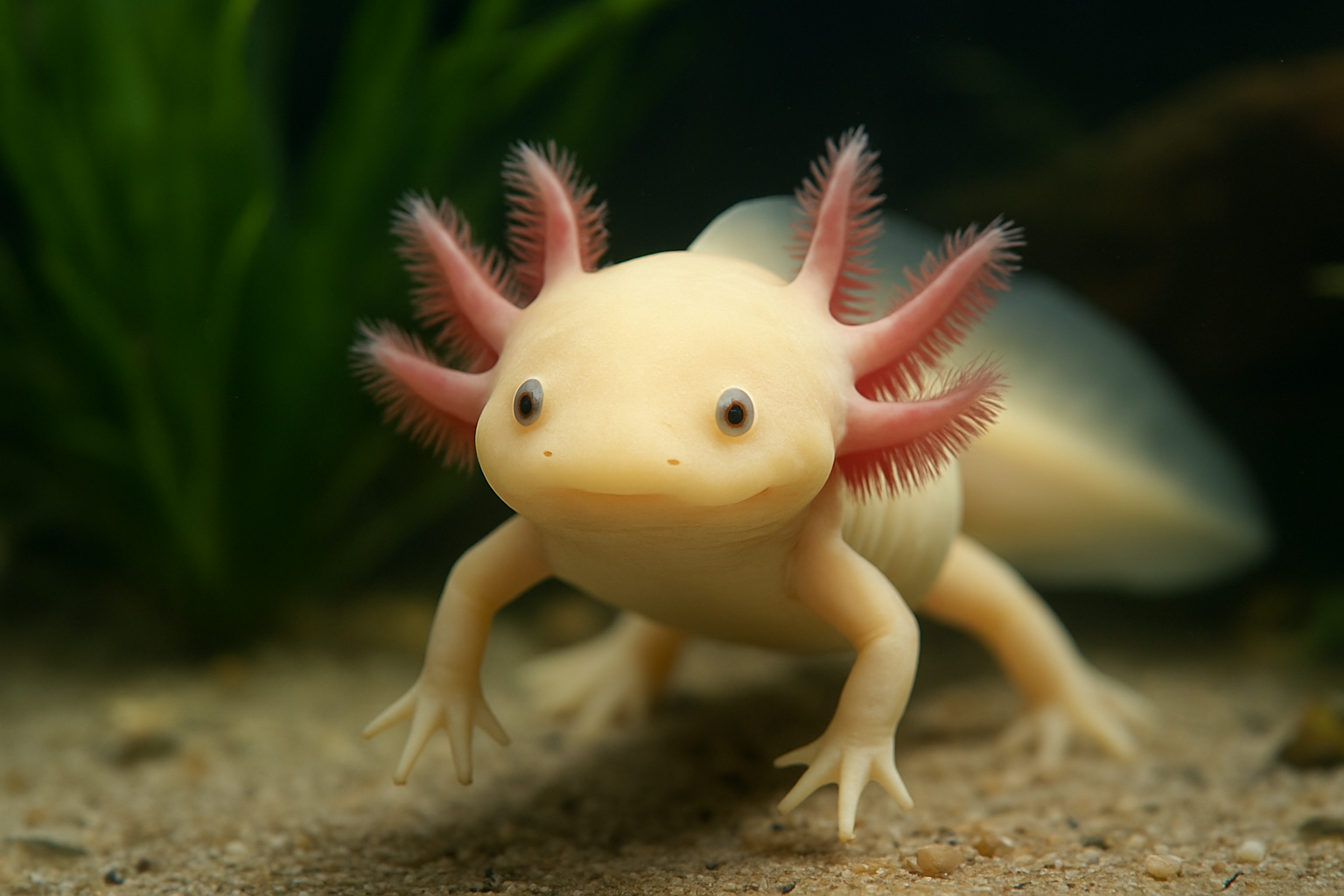
Feeding an axolotl properly isn’t just about knowing what it likes — it’s also about understanding which foods must absolutely be avoided. Some items, even those that seem harmless, can cause stress, digestive issues or serious illnesses in this fragile amphibian. To keep your axolotl healthy, it’s important to remove a few common foods from its diet.
Axolotls have a simple digestive system adapted to a soft, animal-based diet. Their gut is not designed to process components found in other animal diets, and even less in human food. Here are the main foods that can cause problems:
Many shops or non-specialised websites recommend “amphibian” or “universal” pellets, but these foods are rarely appropriate for axolotls. Many contain:
Poor-quality pellets can cause constipation, loss of appetite or excess waste in the aquarium. If you choose pellets, they must be axolotl-specific, high in animal protein and free from additives.
Axolotls don’t chew — they swallow their prey whole by suction. Food that is too large can cause:
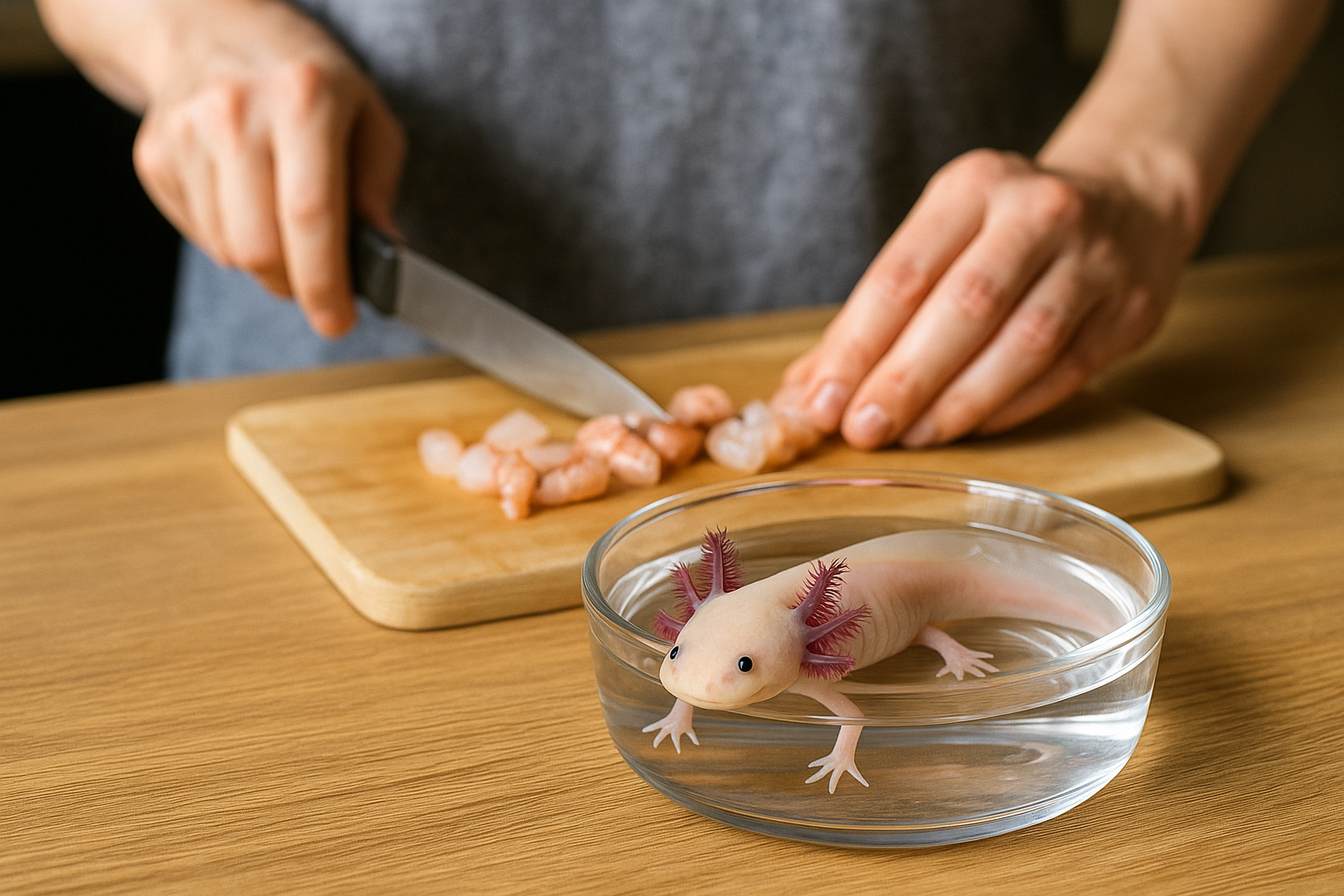
This also applies to earthworms: if they are too thick, cut them into smaller pieces. The same goes for raw shrimp, fish chunks or frozen food blocks. A good rule is to match the food’s size to the width of the axolotl’s head.
Some foods should always be avoided, as they can harm your axolotl even in small amounts:
As a rule, never give your axolotl a food that isn’t specifically recommended for its species or validated by aquatic specialists.
Frozen bloodworms, brine shrimp or daphnia are often used as complementary foods. However:
Improper handling can cause thermal shock or reduce water quality.
If you are unsure about a food item, do not feed it. Axolotls can go several days without eating with no negative effects. A short fast is safer than an improperly digested meal. If you are away or short on supplies, a 2–4 day break is completely fine for a healthy adult.
Monitor its behaviour:
If so, put the animal on a temporary fast, check that the water temperature stays around 16–18 °C, and avoid any stress. If symptoms persist, consult a veterinarian specialising in exotic pets.
An axolotl’s diet must be appropriate, fresh or high-quality, and given in reasonable amounts. Avoiding certain foods helps prevent digestive issues, illness, immune decline or premature death. When in doubt, stick to the basics: earthworms, specialised pellets, thawed larvae — and plenty of caution.
Food
Lire l'article
Pratique
Lire l'article
Equipement
Lire l'article
Equipement
Lire l'article
Food
Lire l'article